



2026 · civic UX research · AI systems · design engineering

Collier Blueprint
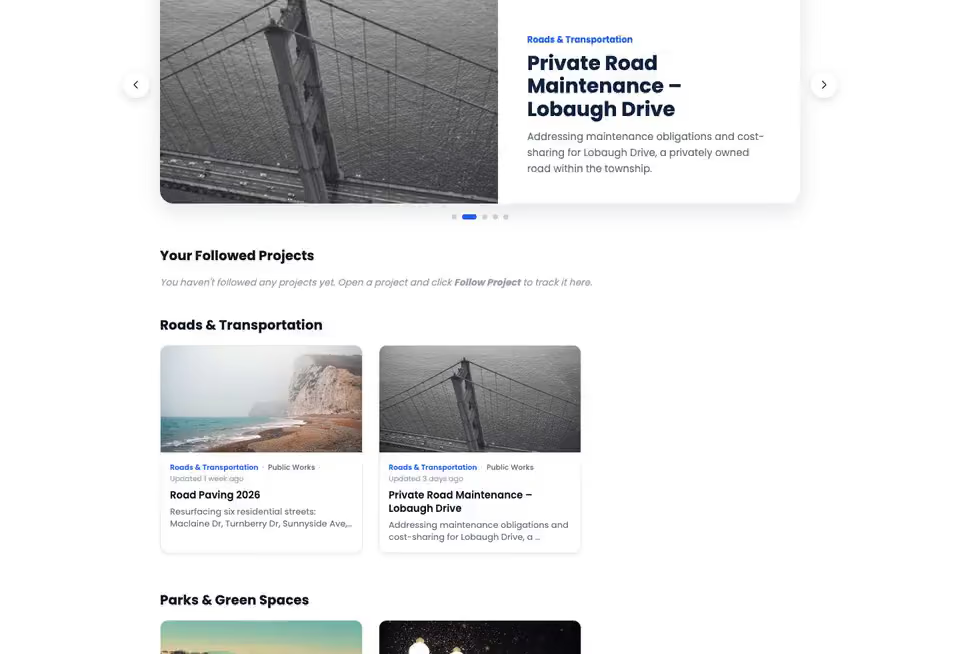
A policy tracker for a township of 9,000 that gathers scattered public information in one place, so residents and staff can shape policies together.
- Role
- Co-lead designer & developer
- Team
- Lead researcher, PM, second designer-developer
- Client
- Collier Township, Pennsylvania
- Timeline
- 7 months, Jan to July 2026
- Outcome
- Presented to the Board of Commissioners. Collier is now building it.
01 The question
Residents want to hear about projects before the vote.
Picture 600 new apartment buildings proposed in your small town. They change your taxes, your traffic and the wildlife near your house. When would you want to first hear about it?
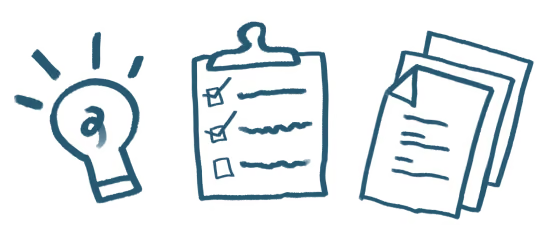
When residents want to hear
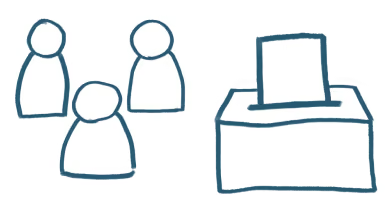
When most residents hear today

02 The problem
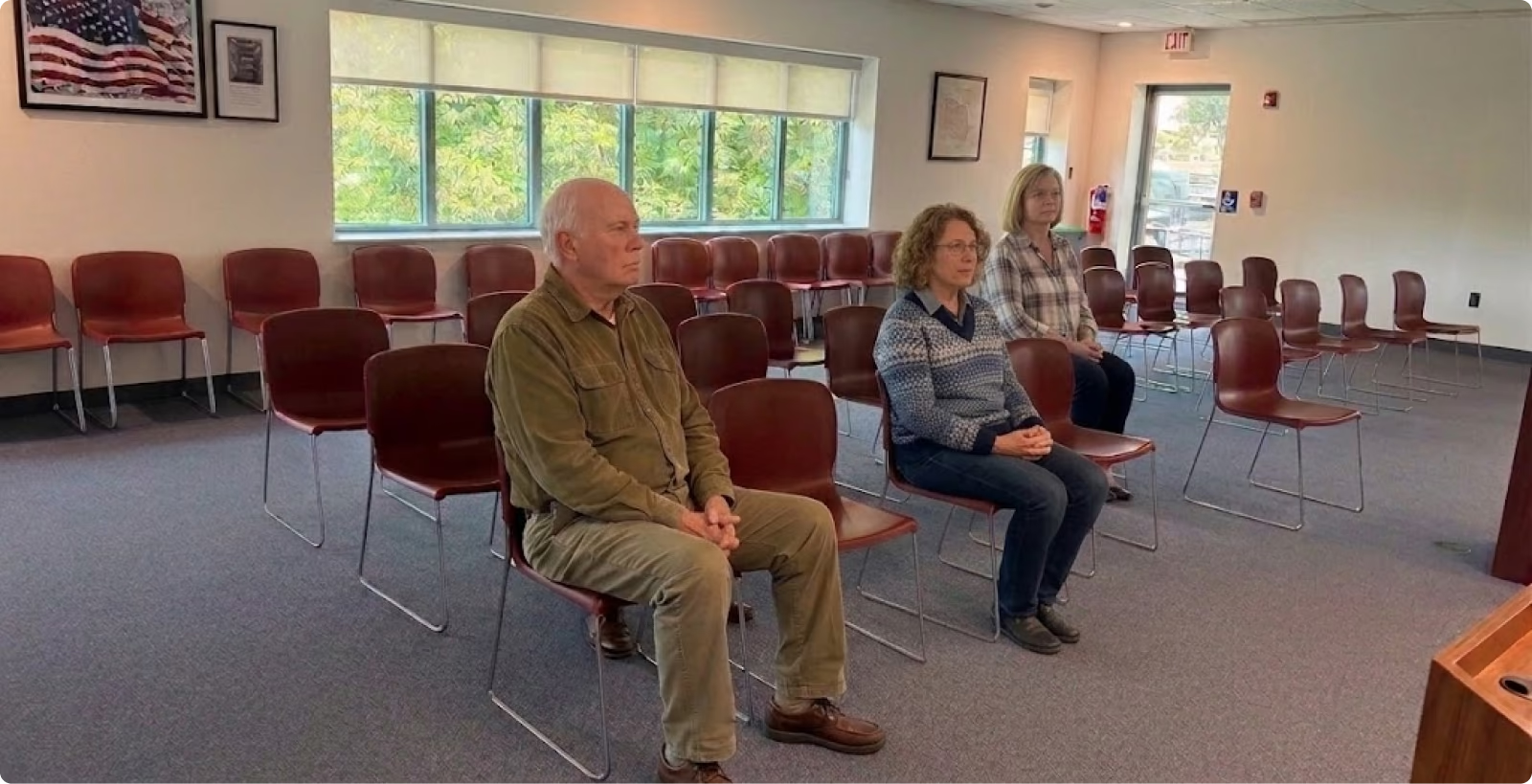
Most meetings sit empty. Then 200 residents arrive too late.
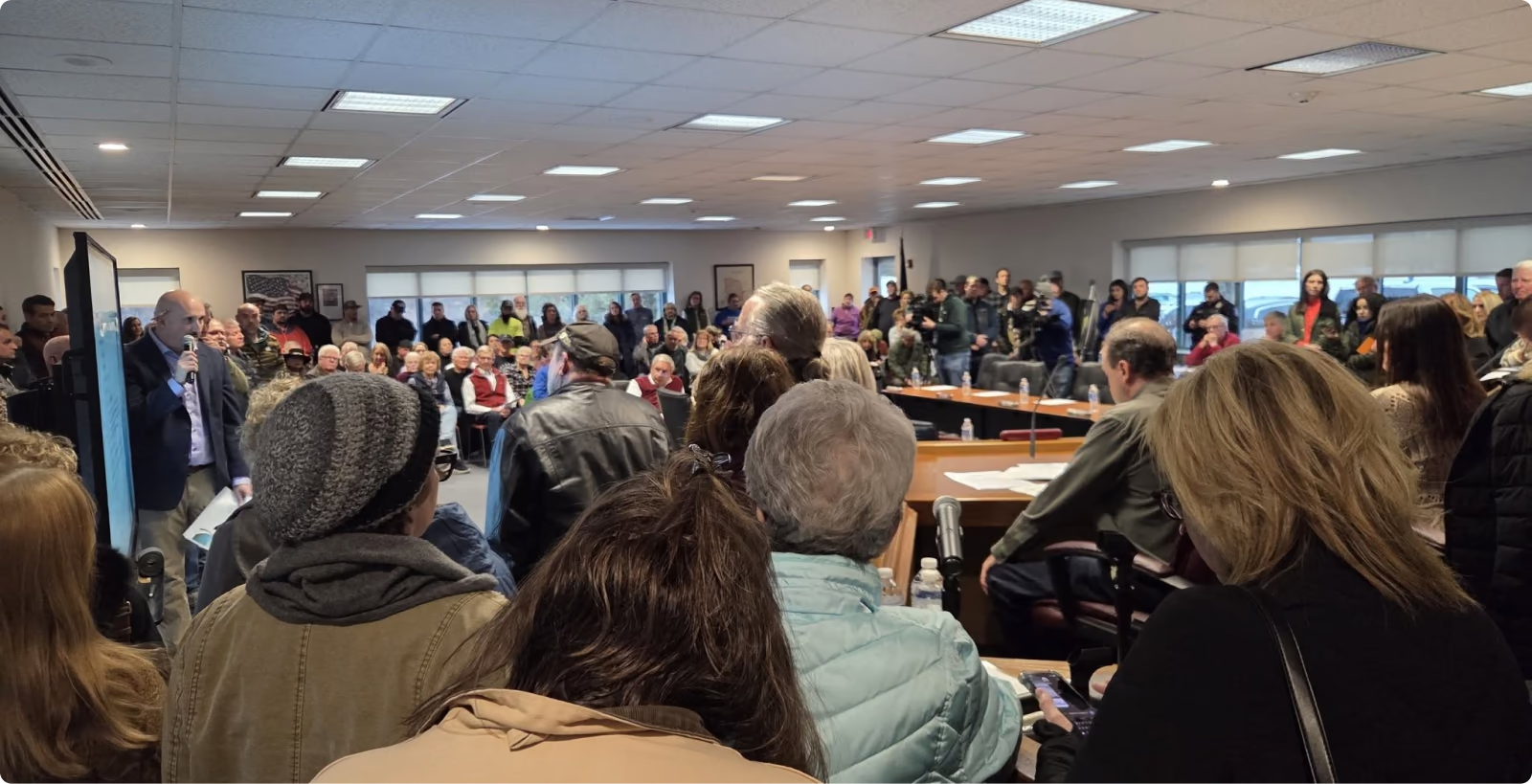
Township meetings are where residents give feedback before officials vote. On Feb. 23, 2026, 200+ residents showed up, but the plans had been in motion for years.
03 Collier
Collier, a town of 9,000, is growing in two directions.
A suburb 6 miles from Pittsburgh, known for quiet streets, parks and the Panhandle Trail. Its population grew 25% since 2010.
Young families want growth
More amenities, economic growth, and places to have fun.
Older residents seek quiet
Keep Collier’s green spaces and minimize development.
THE ORIGINAL BRIEF · Collier asked our CMU team for help with
Transparency
Communicate more clearly with residents.
Inclusivity
Meet residents where they are, including those with low tech-literacy.
Data
Help staff work more efficiently with civic data.
04 Research
We heard from Collier 224 times over seven months.
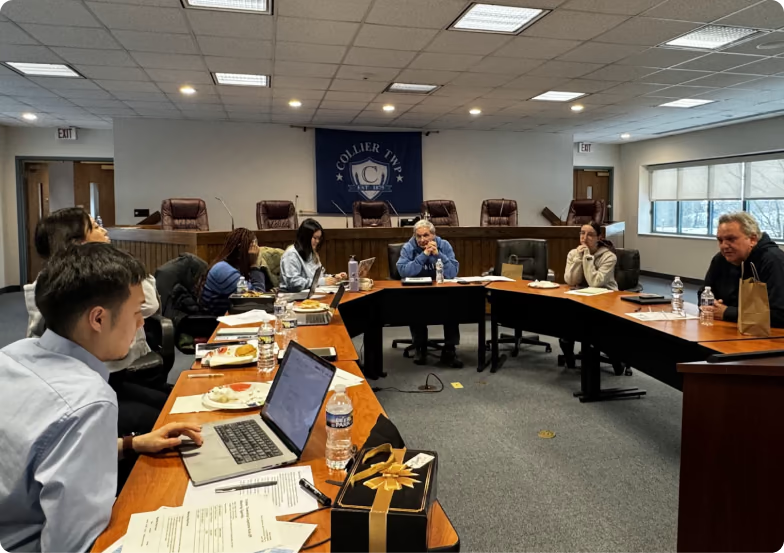
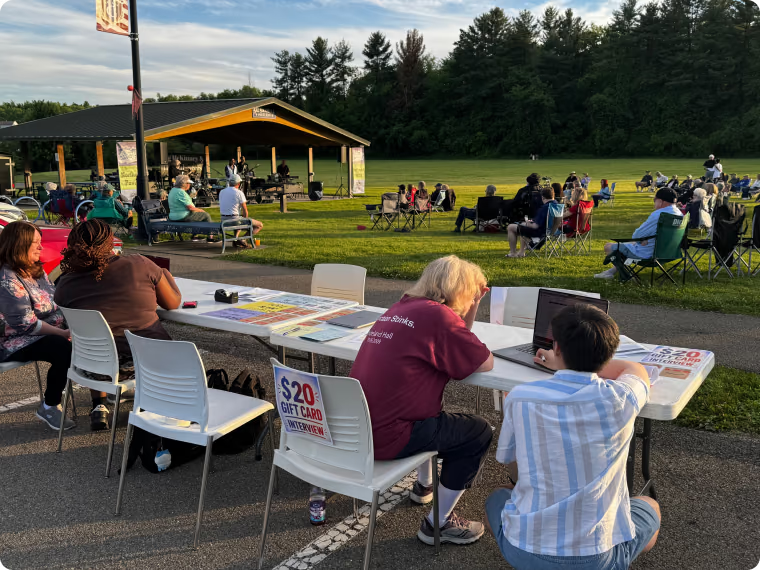
Residents, township staff, department heads and commissioners, across 4 stages of research and 13 product iterations.
155
usability testing sessions
30
qualitative interviews
39
survey responses
6
in-person visits to Collier
05 What we heard
No single reliable source told residents what was coming.
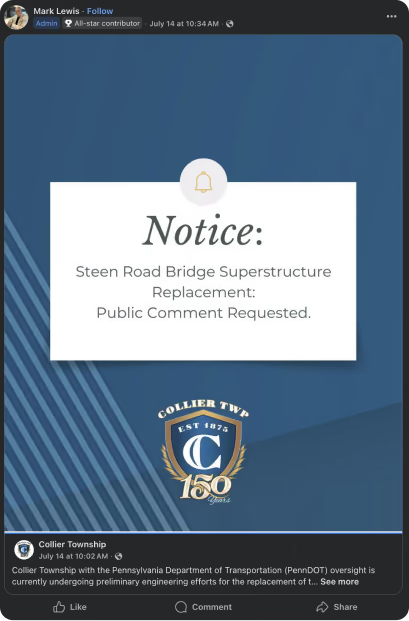
Residents pieced news together from word of mouth, signs and several social media accounts. By the time they showed up, decisions were already made.
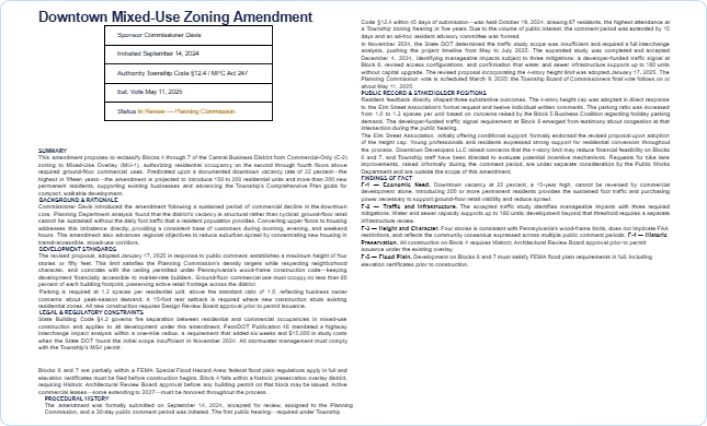
“In an ideal world, if there was one source, it would be their official website.”
“Residents often don’t know what to look for, and where to look for it.”
06 Direction
Residents felt they and the township were on separate teams.
We started out trying to get more residents to engage. Research showed they already care. They need to know when to engage.
HOW MIGHT WE
Help residents trust that their township is on the same side as them?
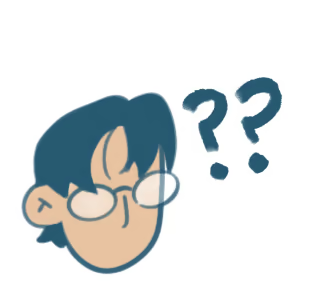
Residents have a hard time finding out information early
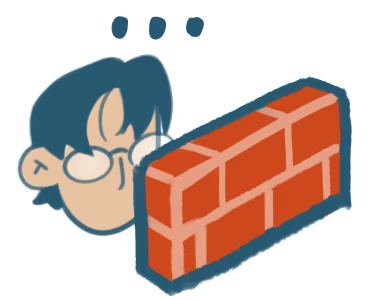
Residents feel like their voice is not heard
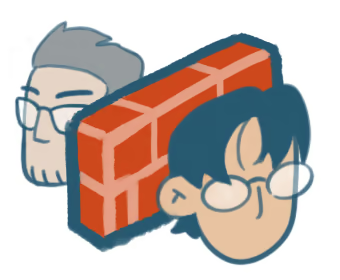
Residents feel a lack of belonging
07 What we dropped
Residents rejected points and badges and chose stage-by-stage tools.
We put 10 rough prototypes in front of 49 users, from a points leaderboard to a printed newsletter.
PROTOTYPES, BY GOAL
Project overview
- KeptStage-by-stage explainer
- Filterable project list
Feedback
- DroppedPoints, badges, leaderboard
- KeptDiscussion board
Engagement
- Community map
- "What kind of resident are you" avatar quiz
Multi-purpose
- One-stop resident and staff tool
- Printed newsletter with township replies
- Carried into Blueprint
- Dropped after testing
DROPPED: REWARDS
Residents didn’t want prizes for taking part.
“I don’t think there should be rewards to get people involved in government. I think people should want to be involved on the merits of engagement.”
KEPT: STAGES AND A FORUM
Residents kept reaching for tools that broke decisions into clear stages, and wanted to hear their neighbors.
“If someone leaves a wild comment it’s not great, but it’s good for getting a general consensus.”
08 Blueprint
We built Blueprint, one site for residents and township staff.
Blueprint drafts every township decision early and out in the open. Residents and staff see the same projects through two views.
Resident view
View projects as timelines, vote in polls, comment, and see how feedback changed later stages.
Township view
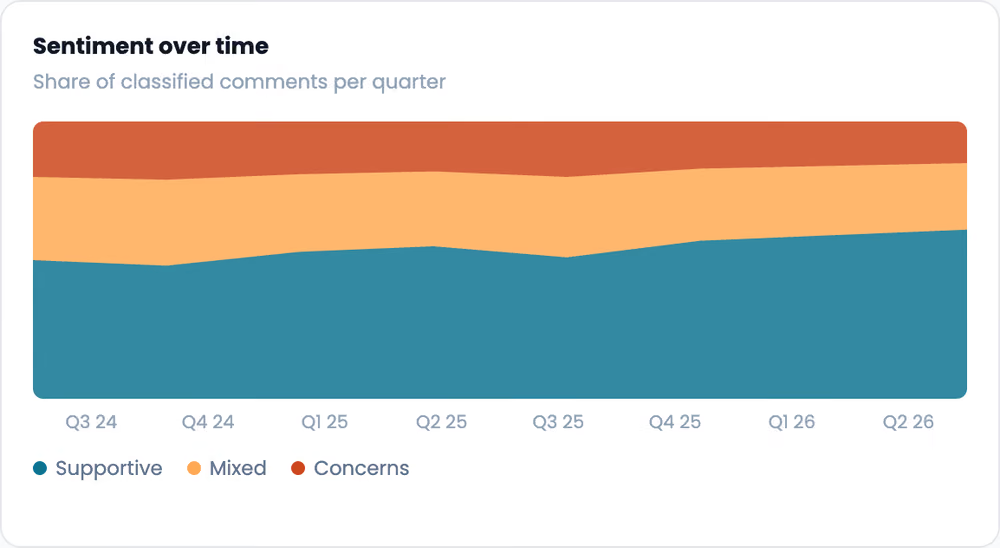
Post and update projects with AI help, and read resident sentiment to inform grant writing.
09 Results: For residents
Residents follow each project stage by stage.
See where it stands
Each project as a timeline of stages, from planning to vote to construction.
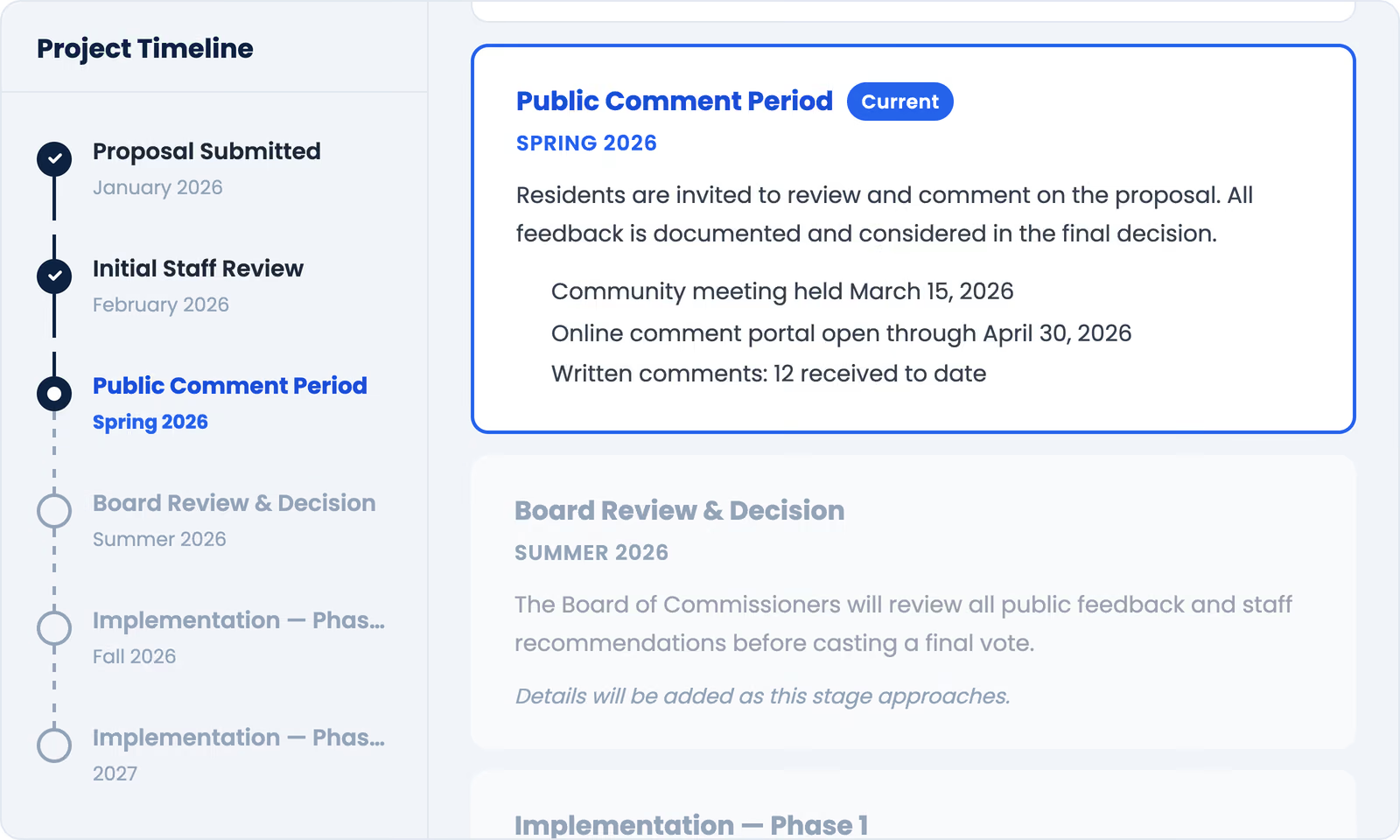
2.2 → 4.4
comprehension rating out of 5, policy PDF vs. timeline view
11 / 11
residents rated the timeline higher
Speak up while it counts
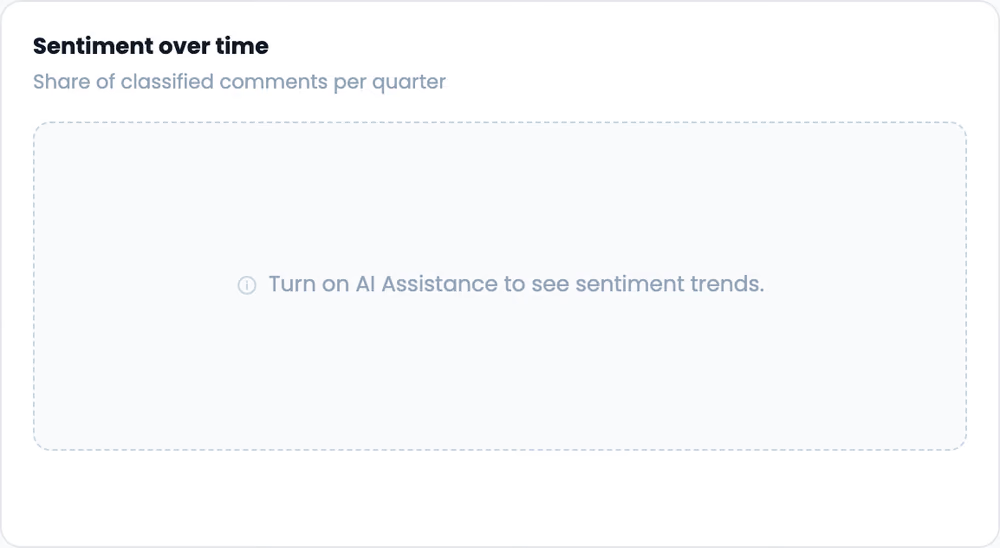
A forum on each project. A live viewer count reminds commenters to be mindful, and AI helps make feedback specific and actionable.
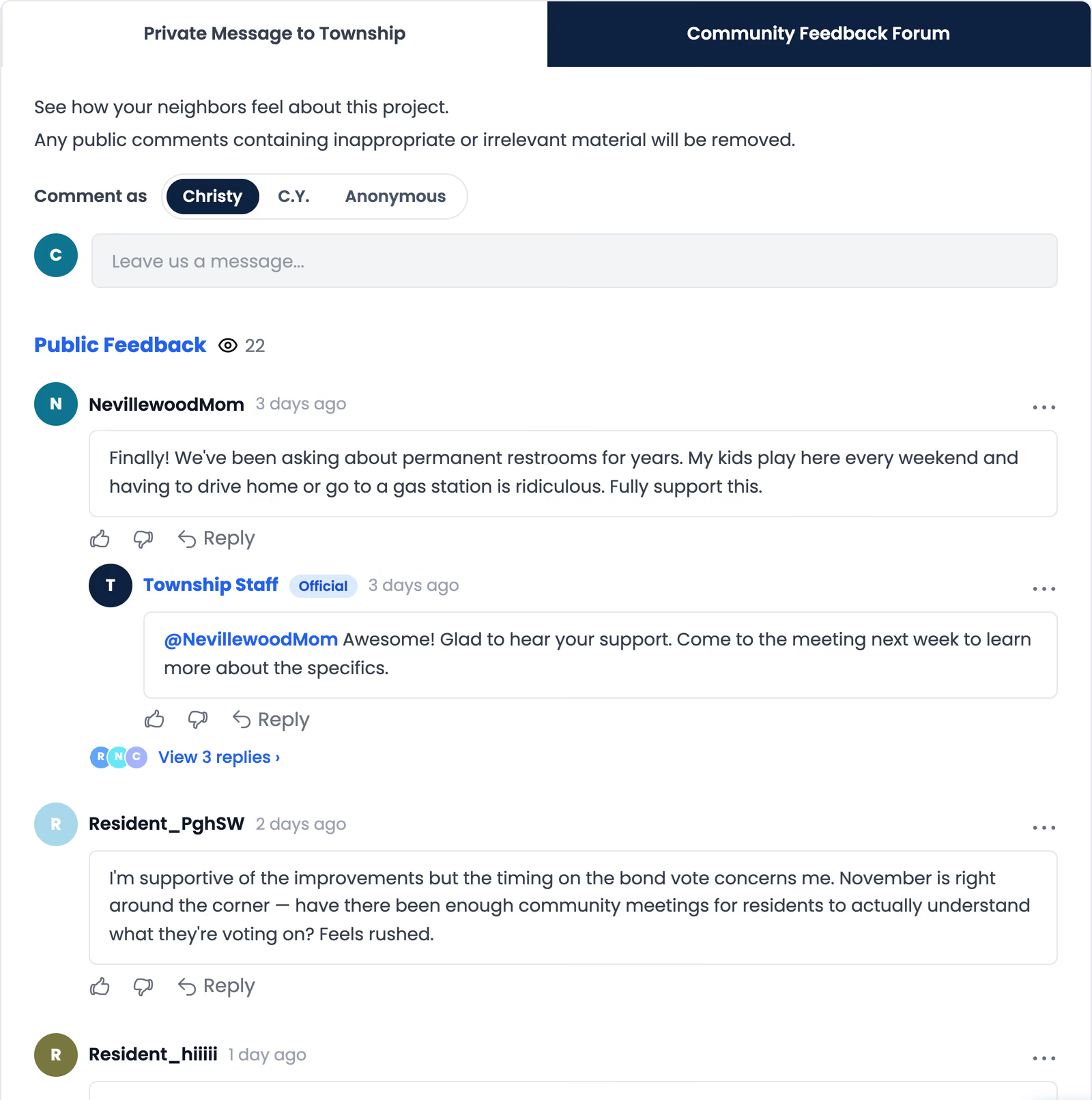
12 / 12
residents in A/B testing preferred a community forum
“I would love to see the comments, but in my experience, it sometimes spirals out of control.”
10 Results: For township
Staff post projects with AI and turn feedback into grants.
Upload projects with AI-assistance
AI pulls the stages out of existing documents and shows how confident it is. Staff review before anything goes live.
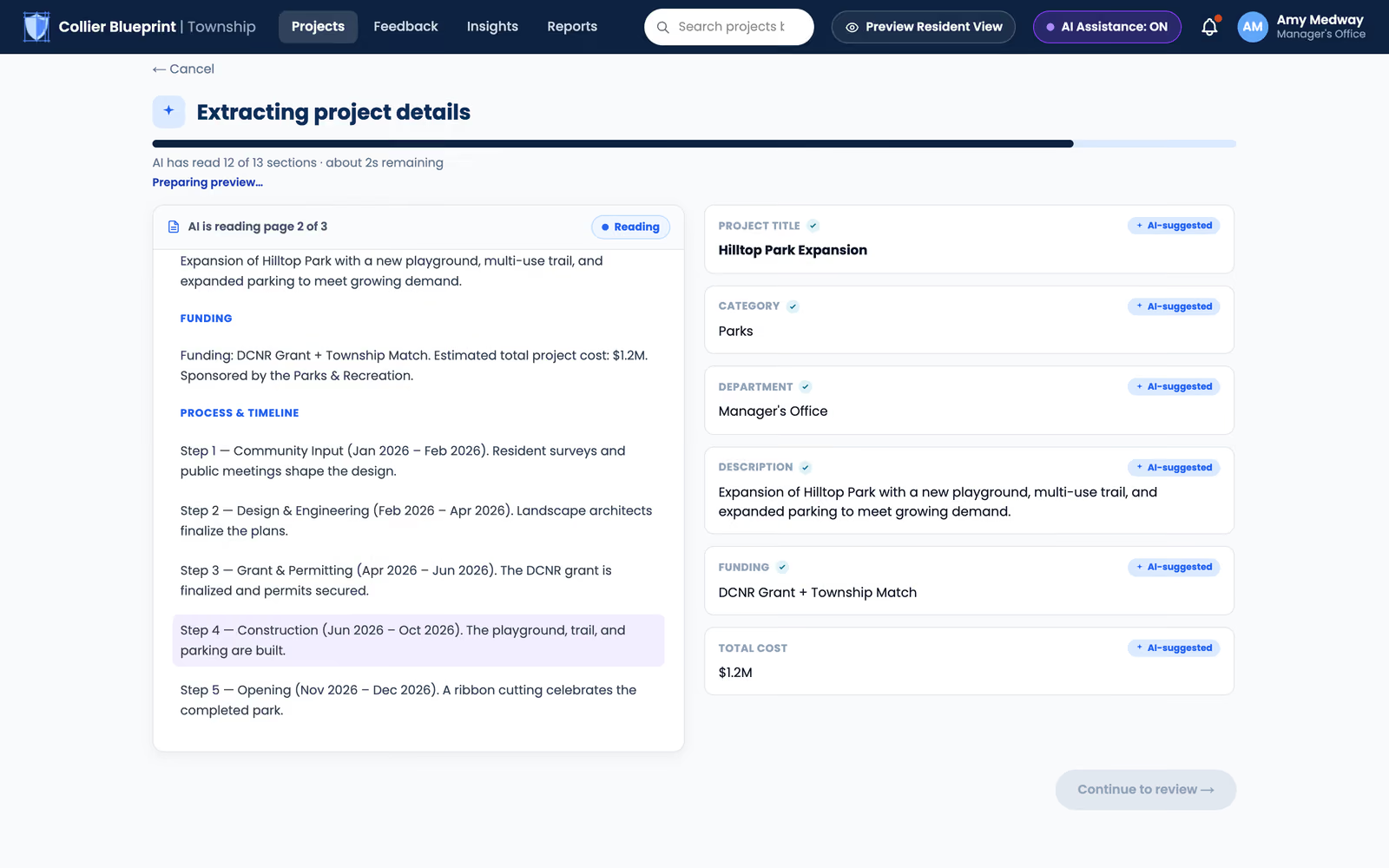
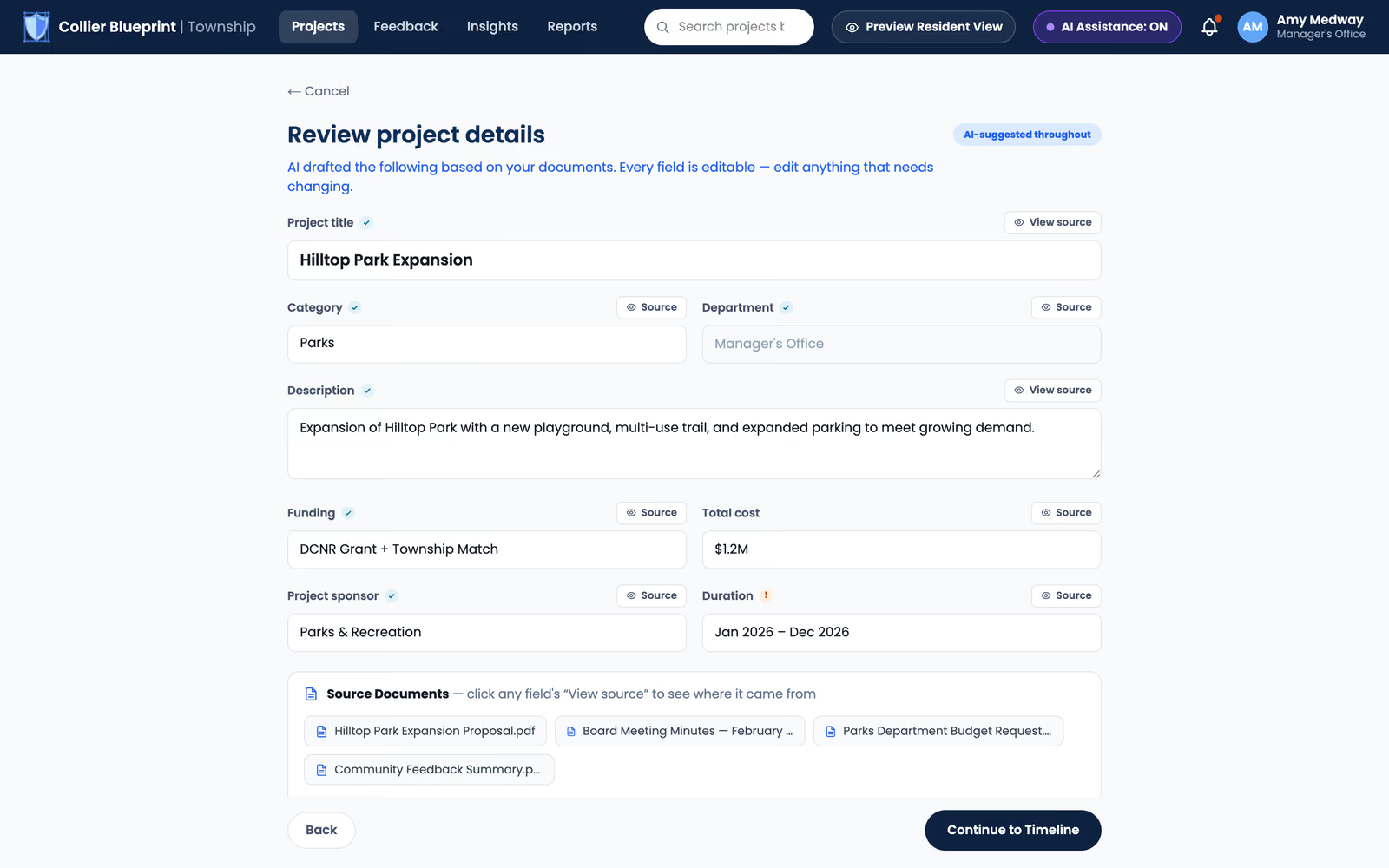
“I like [the AI-assistance]. It would provide a huge value to the staff and public.”
Generate grant applications and reports
Reports pull from every project, comment and poll, so staff can cite resident input in grants, board briefs and annual reports.
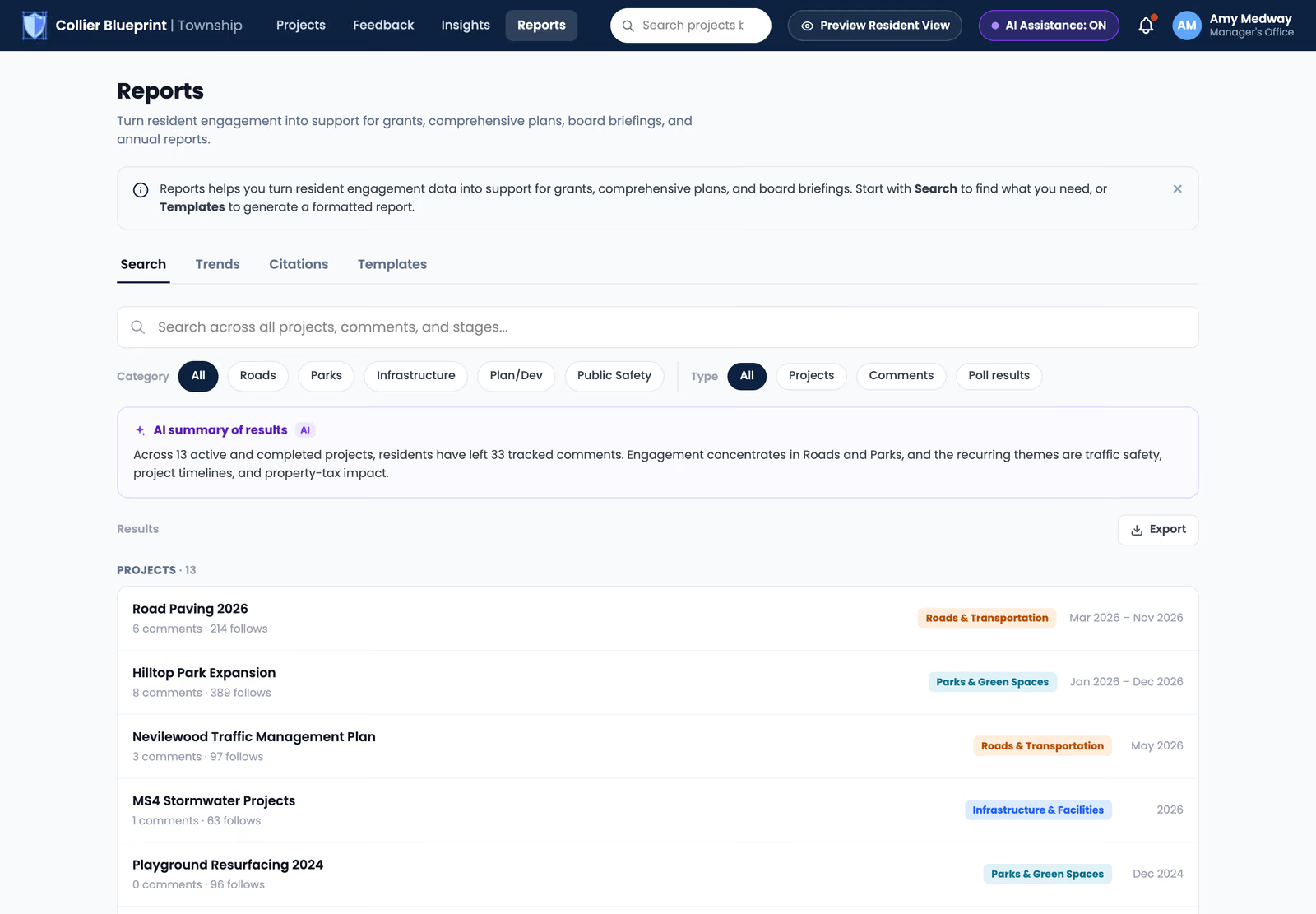
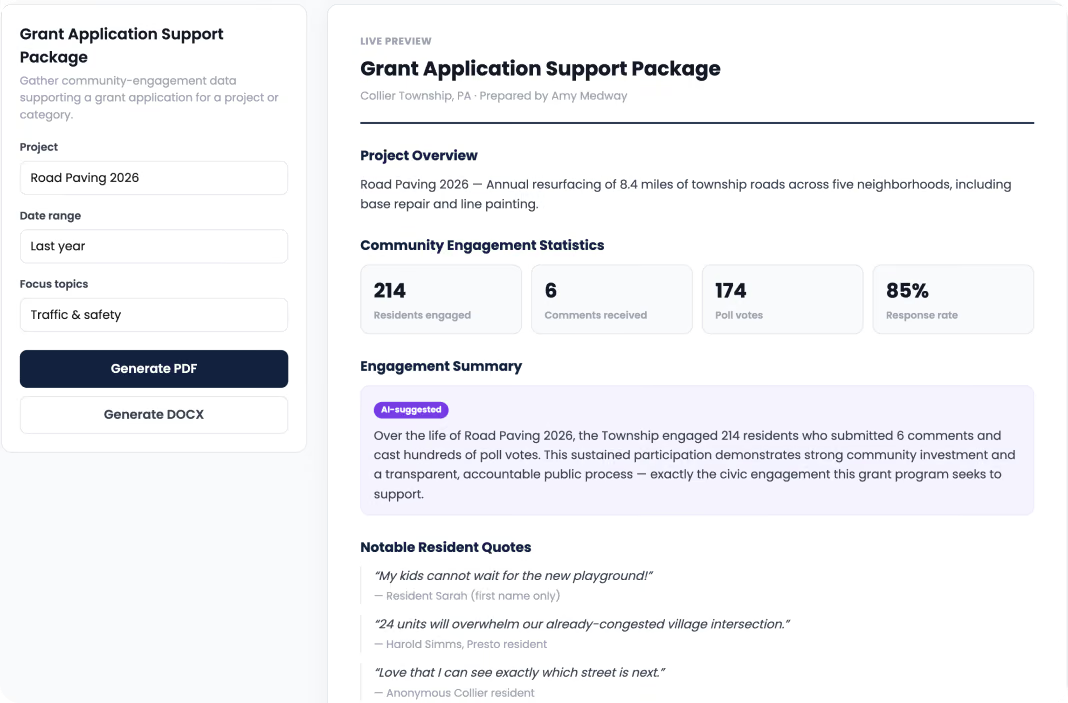
“This is a source of unprecedented value for grant writing and operations.”
11 Tradeoffs
We narrowed three touchpoints to one and made AI optional.
Every feature had to help residents and stay something township staff could run.
TRADEOFF 01
Build three touchpoints, or one?
WE CHOSE
The policy tracker
One place where residents see where each project stands, and staff post it.
OVER
Three touchpoints
The policy tracker, a ticketing and reporting system, and an onboarding app built from our bingo card, games, rewards and resident-type quiz prototypes.
WHY
One month before the program ended, Collier told us it was already building a ticketing system. Our product decision assessment found the policy tracker was the one gap nothing in Collier covered yet. The other two could improve on what Collier already had, and residents had split on rewards.
12 Late testing
With one month left, we turned outside of Collier to supplement testing.
After we narrowed to the policy tracker, we had no time or access for new resident sessions. We kept the resident needs from earlier research and tested three other ways.
01
Analogous testing
People outside Collier with the same needs ran through the prototype.
“I rate it a 5 out of 5. The overview and timeline makes total sense, very easy to follow.”
Analogous Non-resident 02
More client calls
We held extra calls with township staff to check each change against the new priorities.
03
Heuristic evaluation
We checked basic tasks against usability heuristics, then finalized the UI and information structure.
13 Impact
Collier Township is now working to adopt Blueprint.
We presented Blueprint to Collier’s Board of Commissioners. The township is now working on building and adopting it.
I owned the final prototype we handed to Collier, built its design system, and maintained the GitHub repo that went with it.
In our last round of testing, users aged 55 to 84 completed 91% of tasks, and every tester could explain a project in their own words.
Comprehension
15/15
usability testers accurately summarized a project in their own words
Readability
4.55/5
average readability rating
Accessibility
91.29%
success rate on usability tests from 12 users, ages 55 to 84
Staff workload
9 of 9
government staff foresee minimal administrative work
“I’m able to follow along more with this than the lawyer talk they use at meetings.”
14 What I learned
I learned to commit early and let testing correct me.
Seven months and a small team left no time to study every option. Three moments that taught me how I want to work.
01 Prove the direction with prototypes, not debate
Our brief was a PRD titled Insightful Governance: use AI to strengthen data, transparency and community understanding. It could have meant anything. We put 10 rough prototypes in front of 49 users. Residents rejected points and badges and kept reaching for stage-based tools, so I pitched the policy tracker and built every prototype to prove it. I learned that a rough prototype in front of residents settles a debate faster than another week of discussion.
“I like being able to see what steps the projects are on.”
Collier Resident 2.2 → 4.4
comprehension out of 5, policy PDF vs. timeline view
02 Own the build so quality survives the handoff
I owned both design and development of the final prototype, built the design system in code, and maintained the GitHub repo we handed to Collier. Feedback from each test went straight into working code, across 13 iterations. I learned that a designer who can ship the fix protects quality without waiting on a handoff.
“I found it to be quite easy to maneuver and navigate who isn’t that great with computers. It made a lot of logical sense along the way.”
Analogous User 91.29%
success rate on usability tests from 12 users, ages 55 to 84
03 Ship a day-one version and a roadmap to the rest
The full vision includes AI uploads, sentiment analysis and grant reports. Collier needed somewhere to start. The prototype I built works without AI from day one: staff post projects, and residents follow and comment. We paired it with a step-by-step roadmap, budget and timeline that add the AI layers as optional investments. That first step is what let Collier start building. I learned that a small version that works today moves a client further than a complete vision they cannot fund yet.
Day one
Blueprint without AI
Project timelines, polls and comments, run by staff by hand.
Open prototypecollier-demo.vercel.appNext
Optional AI layers
AI uploads with confidence levels, suggested responses, sentiment, grant reports.
Vision
Full township adoption
A mature system residents and staff use for every project.
9 of 9
government staff foresee minimal administrative work
15 My role
I found the direction, designed the system, and shipped it.
Co-lead designer and developer, with Laila Dancy (Lead UXR), Bosi Li(co-designer developer) and Jason Park(PM).
01
Direction
The final policy-tracker path was my idea from ideation. I built all the prototypes to prove it.
02
Research
Split interviews with residents and township staff, ran user testing, and explored ideas through rapid prototypes.
03
Build
Coded components that made Collier’s web brand sleeker, and drafted the design and dev handoff with our PM.